Homeowners in Snoqualmie, WA know our weather swings can strain moving parts. This seasonal guide focuses on practical garage door repair checks you can do at home and when to call a pro. Regular attention reduces emergency calls and keeps tracks, openers, and seals functioning through rain, wind, and freezing nights.
Why seasonal checks matter for garage door repair
Garage doors are one of the largest moving parts on a house. Neglect increases wear on springs, rollers, hinges, and openers. Seasonal maintenance prevents sudden failures, improves safety, and can extend the lifespan of your system. For homeowners in Snoqualmie, WA, salt-free air and frequent moisture mean lubrication and seal checks are particularly important.
Spring & summer checklist
After wet months, focus on cleaning, lubricating, and inspecting. These steps reduce friction and help detect early signs that need professional garage door repair.
- Visual inspection: Walk the perimeter and look for rust, dents, and loose hardware.
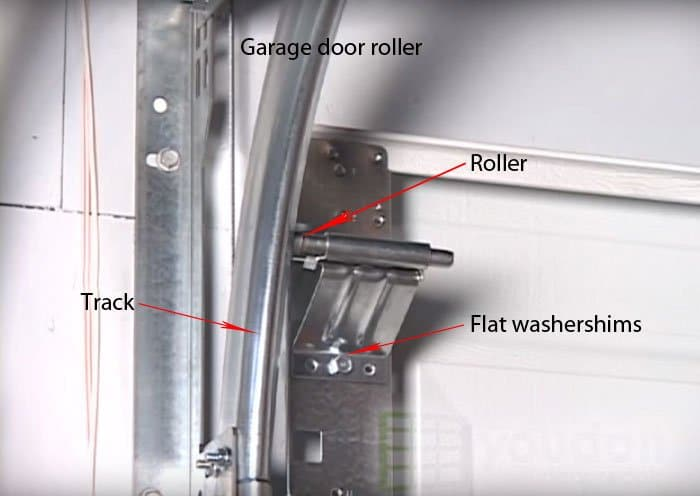
- Lubricate moving parts: Apply a silicone or lithium-based lubricant to rollers, hinges, and the torsion spring—but avoid oil on nylon rollers.
- Test balance: Disconnect the opener and manually lift the door halfway. It should hold position. If it moves, a spring adjustment from a trained garage door repair technician is needed.
- Check weather seals: Replace cracked bottom seals to keep out moisture and pests.
- Openers: Inspect the safety reverse sensors and test the force settings; summer expansion can change alignment.
Quick DIY steps
Use a soft cloth, a mild detergent for track cleaning, and manufacturer-recommended lubricants. Tighten loose bolts and screws but avoid adjusting springs yourself—spring work requires specialized tools and training when calling a garage door repair pro.
Fall & winter checklist
Cold temperatures, ice, and wind add strain. Prepare your door before the first freeze to prevent costly problems that often require urgent garage door repair service.
- Insulation & seals: Inspect seals for cracking. Add or replace insulation panels to reduce heat loss and prevent condensation that can freeze.
- Drain and clear tracks: Leaves and debris collect in tracks and can freeze. Clean gutters and the area near the door threshold.
- Test reverse mechanisms: Cold can stiffen parts—confirm the door reverses when it meets an object.
- Remote battery check: Replace remote batteries and test keypad function ahead of storms.
- Schedule a pre-winter tune-up: A professional winter check identifies worn springs and failing openers before they break in bad weather.
Locking and storm readiness
Secure manual locks and ensure automatic locks engage properly. If your garage houses a vehicle, create a plan for alternative access in case a door fails during a snow event.
Common seasonal problems and rapid fixes
Some issues are simple to resolve; others require fast intervention from a qualified garage door repair team.
- Door is noisy: Clean tracks and lubricate rollers and hinges. Noise often means lack of lubrication, not replacement.
- Door won’t close completely: Check sensor alignment and obstructions. If the door still won’t seat, call for a safety inspection and possible opener adjustment.
- Slow response or intermittent opener: Replace batteries, reset remotes, and verify power supply. Persistent problems suggest motor or circuit issues requiring professional garage door repair.
- Broken spring or cable: Never attempt to repair springs or lift cables yourself. These are high-tension components and need trained technicians.
When to call a professional
Regular homeowner checks catch many issues, but call a licensed garage door repair company if you notice:
- Visible spring breakage, frayed cables, or a door that suddenly becomes unbalanced.
- Electrical or motor burning smells, repeated opener failures, or a door that drops unexpectedly.
- After major storm damage, including dented panels or tracks knocked out of alignment.
For scheduled maintenance and emergency fixes in Snoqualmie, consider booking a service appointment—learn more about options on our services page or request help via our contact form. Read seasonal case studies and longer guides on our blog.
Cost expectations and warranties
Seasonal tune-ups typically cost less than emergency repairs and often include adjustments, lubrication, and safety tests. In Snoqualmie, WA, expect maintenance visits in a modest price range; precise costs depend on door size, material, and opener type. Replacements—springs, rollers, or panels—vary by part and labor. Always ask for written estimates and warranty details before work begins. A reputable garage door repair specialist will provide parts and labor warranties for recent installations and documented repairs.
Seasonal plan checklist (one-page)
- Quarterly visual and operation test
- Annual professional safety inspection
- Lubrication every 6 months
- Seal replacement as needed (fall focus)
- Pre-winter insulation and storm readiness
Following this plan reduces emergency garage door repair calls and keeps your family and property safe. If you prefer a pro to handle seasonal maintenance, contact our team through the site or phone.
Frequently asked questions
Q: How does Snoqualmie’s wet climate affect garage door repair needs?
A: Moisture accelerates rust on metal parts and degrades rubber seals. Inspect seals and lubricate rollers and hinges after extended rainy periods. Replace rusty components early to avoid a breakdown.
Q: When should I expect a technician for a non-urgent seasonal tune-up?
A: For non-urgent seasonal maintenance we typically schedule within 3–10 business days, depending on season and demand. Winter and storm seasons fill quicker—book ahead.
Q: What price range should I budget for routine maintenance versus common repairs?
A: Routine maintenance (inspection, lubrication, safety tests) is lower cost than repairs—expect maintenance to be one rate and common repairs (spring replacement, rollers) to range higher based on parts. Request a written estimate for your door type.
Q: Are garage door repairs covered by warranties or permits in Snoqualmie?
A: Manufacturer warranties often cover parts for new doors. Local permits are rarely required for most repairs, but structural changes or electrical rewiring may need permits—check with the City of Snoqualmie if unsure.
Q: Can I reduce winter service calls with insulation or preventative upgrades?
A: Yes. Adding insulation, replacing worn seals, and scheduling a pre-winter professional inspection reduce failures and improve opener performance in cold snaps.
Helpful local resources in Snoqualmie, WA
- Garage Door Repair Seattle
- Garage Door Repair Bellevue
- Garage Door Repair Redmond
- Garage Door Repair Kirkland
- Garage Door Repair Mercer Island
- Garage Door Repair Edmonds
- Garage Door Repair Issaquah
- Garage Door Repair Tacoma
- Garage Door Repair Everett
- Garage Door Repair Bothell
- Garage Door Repair Sammamish
- Garage Door Repair Renton
- Garage Door Repair Lynnwood
- Garage Door Repair Woodinville
- Garage Door Repair University Place
- Garage Door Repair Gig Harbor
- Garage Door Repair Lakewood
- Garage Door Repair Puyallup
- Garage Door Repair Mukilteo
- Garage Door Repair Vancouver
- Garage Door Repair Kenmore
- Garage Door Repair Burien
- Garage Door Repair Auburn
- Garage Door Repair South Hill
- Garage Door Repair Yarrow Point
- Garage Door Repair Clyde Hill
- Garage Door Repair Port Townsend
- Garage Door Repair Duvall
- Garage Door Repair Snoqualmie