In Snoqualmie, WA many homeowners ask how to reduce the clatter when their garage door opens. Practical noise reduction is often a top concern during garage door repair because Pacific Northwest weather and older hardware can make doors loud, disruptive, or uneven. This guide focuses on steps homeowners can take and what to expect from a residential service visit.
Why garage door noise happens
Understanding the source of noise helps you prioritize fixes. Typical causes include worn rollers, loose fasteners, failing openers, worn springs, and poor alignment. Salt-free coastal air isn’t the issue here—Snoqualmie’s rain, cold, and frequent cycles can accelerate wear. A proper garage door repair inspection finds the root cause quickly.
Common noisy components
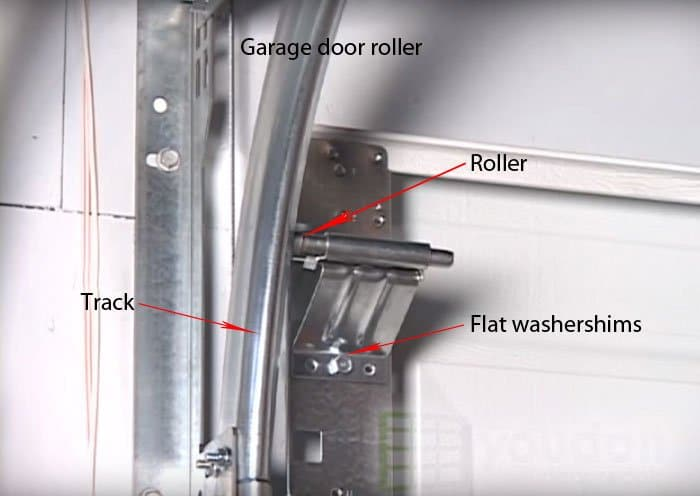
- Rollers: Metal rollers on metal tracks make more noise than nylon rollers. Worn bearings cause grinding sounds.
- Hinges and brackets: Loose hardware rattles each cycle.
- Opener: Belt, chain, or screw drives have different noise profiles; older motors get louder.
- Springs: Torsion or extension springs can squeak or ping as tension changes.
- Panels: Metal panels without insulation can resonate and amplify sound.
Practical noise reduction solutions
These solutions apply whether you’re planning DIY upkeep or scheduling professional garage door repair. Use a layered approach: lubrication and basic adjustments first, then targeted component upgrades if noise persists.
1. Routine maintenance
Start with maintenance to reduce 60–80% of routine noise:
- Lubricate rollers, hinges, springs, and bearings with a silicone-based or lithium lubricant—avoid WD-40 as a long-term solution.
- Tighten loose bolts and brackets; vibration gradually loosens hardware.
- Replace worn weather seal that can flap and add rattle.
- Balance the door: an imbalanced door strains the opener and creates uneven sounds.
2. Upgrade noisy parts
If maintenance helps but doesn’t solve the problem, consider targeted parts upgrades during a garage door repair visit:
- Swap metal rollers for nylon or sealed bearing rollers for noticeably quieter operation.
- Replace a chain-drive opener with a belt-drive opener for quieter starts and stops.
- Install a quieter torsion spring system or inspect springs for replacement—old springs contribute to thumping sounds.
- Add rubber or vinyl anti-vibration washers between hardware and framing to reduce transmitted noise.
3. Insulation and panel choices
Insulating the door reduces echo and thermal transfer. Insulation kits and insulated sectional doors absorb more vibration than single-skin metal doors. For many homeowners, upgrading panels provides the biggest overall improvement for both sound and energy efficiency, making it a smart home improvement decision.
What to expect from a professional visit
A trained technician will begin with a comprehensive safety check—springs and cables store dangerous energy and require expert handling. During a garage door repair appointment you can expect:
- A visual inspection of all moving components.
- Balance and safety reverse testing of the opener.
- Lubrication, tightening, and small part replacements on site.
- Clear options and pricing for upgrades like new rollers, openers, or insulation.
For homeowners who want ongoing advice, our blog explains seasonal maintenance and common fixes in easy steps: https://garagedoors-snoqualmie.com/blog.
Typical timeline
Minor repairs and lubrication usually take 30–60 minutes. Roller or hinge replacement can be completed in 1–2 hours. Full panel replacement or installing a new insulated door may require a half-day to a full day depending on custom orders and weather. A professional service call clarifies timelines upfront.
Cost, permits, and warranties
Local pricing in Snoqualmie varies with parts and the scope of work. Expect an inspection fee followed by labor and parts estimates. Typical ranges:
- Basic lubrication and tune-up: lower-cost service call.
- Roller or hinge replacement: a modest parts + labor expense.
- Opener replacement or panel upgrade: higher cost, often with a manufacturer warranty.
Most simple repairs do not require permits, but full structural changes or electrically significant upgrades may. Always ask for warranty details on parts and labor during a garage door repair estimate and keep receipts for home improvement records. To schedule service or get a quote, use the contact page: https://garagedoors-snoqualmie.com/contact.
Choosing materials for longevity
Pick rollers and openers rated for moisture and cold. For a long-lasting residential service result, choose sealed bearings, stainless fasteners, and a belt-drive opener with a strong warranty. If noise reduction is a priority, insulated, heavier-panel doors perform better over time.
When to call a pro vs. DIY
Safe DIY tasks: lubrication, tightening fasteners, and swapping weather seals. Dangerous or technical work—spring replacement, cable repair, opener motor replacement—should be handled by a trained technician. If your door is noisy and you notice frayed cables, sagging, or sudden changes in operation, schedule professional garage door repair rather than attempting risky repairs.
For a full services list and to compare repair vs. replacement, see our services page: https://garagedoors-snoqualmie.com/services.
Final checklist for quieter garage doors
- Inspect rollers and hinges; replace worn parts.
- Lubricate moving parts seasonally.
- Balance the door and test safety systems.
- Consider insulation or panel upgrades for resonance control.
- Upgrade to a belt-drive opener for the best noise reduction.
- Schedule professional garage door repair for springs, cables, or complex diagnostics.
Following these steps will reduce daily noise and extend the life of your door. If you need hands-on help, call for a fast local appointment.
Next step:
Call to book a local inspection and get a clear estimate for noise reduction and long-term maintenance.
Frequently asked questions
Q: How does Snoqualmie weather affect garage door noise?
A: Rain and cold can stiffen seals and cause metal parts to contract. That increases friction and noise. Seasonal lubrication and checking nylon rollers help mitigate weather-driven rattles.
Q: How long does a typical noise-reduction garage door repair take?
A: Simple lubrication and tightening take 30–60 minutes. Replacing rollers or an opener is usually 1–4 hours depending on parts availability. We provide timelines with every estimate.
Q: What price range should Snoqualmie homeowners expect?
A: Basic tune-ups are the least expensive. Roller or hinge swaps are mid-range. Opener or full-panel replacement costs more but often include manufacturer warranties. We give transparent estimates before work begins.
Q: Do I need a permit for garage door replacement in Snoqualmie?
A: Most standard repairs and door swaps do not require permits. Major structural work, electric upgrades, or changes to insulation and framing can. We advise checking local rules or we can confirm for you during the inspection.
Q: What warranties or guarantees are typical for noise reduction work?
A: Parts like rollers or openers often have manufacturer warranties; labor warranties vary by company. Ask for written warranty details during your garage door repair estimate.
Helpful local resources in Snoqualmie, WA
- Garage Door Repair Seattle
- Garage Door Repair Bellevue
- Garage Door Repair Redmond
- Garage Door Repair Kirkland
- Garage Door Repair Mercer Island
- Garage Door Repair Edmonds
- Garage Door Repair Issaquah
- Garage Door Repair Tacoma
- Garage Door Repair Everett
- Garage Door Repair Bothell
- Garage Door Repair Sammamish
- Garage Door Repair Renton
- Garage Door Repair Lynnwood
- Garage Door Repair Woodinville
- Garage Door Repair University Place
- Garage Door Repair Gig Harbor
- Garage Door Repair Lakewood
- Garage Door Repair Puyallup
- Garage Door Repair Mukilteo
- Garage Door Repair Vancouver
- Garage Door Repair Kenmore
- Garage Door Repair Burien
- Garage Door Repair Auburn
- Garage Door Repair South Hill
- Garage Door Repair Yarrow Point
- Garage Door Repair Clyde Hill
- Garage Door Repair Port Townsend
- Garage Door Repair Duvall
- Garage Door Repair Snoqualmie