Snoqualmie, WA homeowners face a mix of wet winters, occasional freezing temperatures, and heavy tree cover — conditions that matter when choosing materials for garage door repair. Selecting the right panels, hardware and seals reduces corrosion, improves insulating performance and extends the life of your system. This guide walks through material choices, pros and cons, and local considerations for garage door repair in Snoqualmie.
Why material choice matters for garage door repair
Material affects durability, maintenance, curb appeal and cost. A correct selection lowers repeat repair calls, improves energy retention in attached garages, and helps doors resist the coastal-influenced moisture common across the Puget Sound region. When planning garage door repair, think about the full service life, not just the immediate fix.
Common materials and when to use them
Steel
Steel is the most common option for garage door repair because it balances strength and cost. Modern insulated steel doors have a steel skin over a foam core. They resist dents better than wood and with a proper finish can withstand Snoqualmie’s damp climate.
- Pros: Affordable, low maintenance, good insulation options.
- Cons: Can rust over time if finish is damaged; heavy doors may need stronger springs.
- Tip: Choose galvanized or primed steel with a marine-grade paint if your door sees persistent moisture.
Aluminum
Aluminum is lightweight and resists rust, making it a good choice for wider or custom doors where weight is a concern. However, aluminum dents more easily and offers less thermal mass than steel during garage door repair updates.
- Pros: Rust-resistant, lighter springs required, modern look.
- Cons: Prone to dents, lower insulation unless paired with thermal inserts.
Wood and wood-composite
Wood provides a classic look and can be repaired in panels for targeted garage door repair, but it requires regular sealing and paint in wet climates. Wood-composites mimic authentic appearance with reduced maintenance and better dimensional stability.
- Pros: High curb appeal, customizable finishes.
- Cons: Higher maintenance, possible rot without proper treatment.
Fiberglass
Fiberglass resists corrosion and is lightweight. It works well for insulated systems but can become brittle in cold snaps unless engineered for cold climates — a point to confirm during any garage door repair in WA.
Hardware, seals, and finish — the unseen parts that matter
Choosing panels is only part of successful garage door repair. Hinges, rollers, tracks, springs and weather seals face wet conditions and salt-laden air from nearby bodies of water. Prioritize corrosion-resistant hardware and higher-grade seals to prevent drafts and water intrusion.
Rollers and hinges
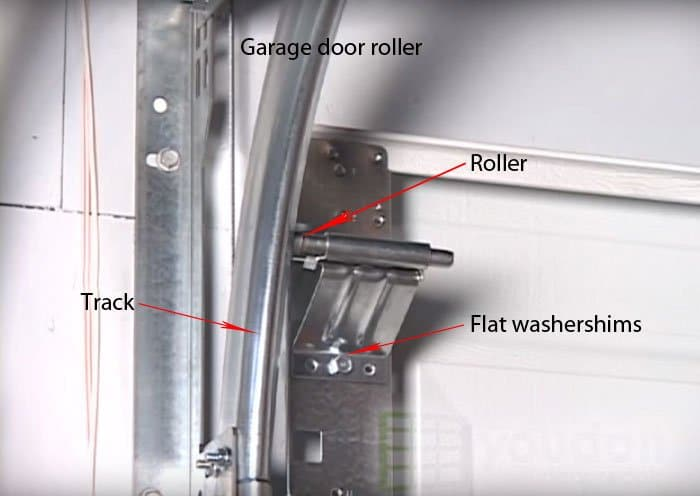
Stainless steel or nylon-coated rollers and galvanized hinges reduce friction and corrosion over time. Replacing worn components during a repair visit prevents imbalance and premature spring failure.
Springs and tracks
Match spring capacity to door weight and material. Heavier steel doors need higher-rated springs; aluminum and fiberglass doors typically use lighter springs. Tracks should be properly aligned and protected from rust; a simple lubricating and inspection schedule during garage door repair visits prevents bigger failures.
Weather seals and insulation
Bottom seals, perimeter gaskets and threshold strips keep moisture and cold out. For attached garages used as workshops or storage, upgrading insulation during a repair improves comfort and reduces energy loss.
Local considerations for Snoqualmie homeowners
Snoqualmie’s local climate and building patterns shape the best choices for garage door repair. Expect frequent dampness, seasonal freezing, and the occasional wind-driven debris from trees. Use finishes with UV and moisture protection and consider insulated steel or composite options for better year-round performance.
For project planning, check local permit rules if you’re changing structural openings or installing new door sizes; small repairs generally don’t require permits, but replacement doors that alter framing might. When in doubt, call the permitting office or your service provider to confirm.
Cost vs. longevity: balancing budget and expectations
Budgeting for garage door repair means weighing upfront cost against expected lifespan. Steel doors are cost-effective and long-lived with modest maintenance. Wood commands higher initial expense and maintenance costs but can increase resale value on certain homes. Aluminum and fiberglass occupy middle ground, with different trade-offs for dent-resistance and thermal performance.
- Quick repair (spring, cable, minor panel): lower immediate cost, may not address insulation or rust.
- Partial replacement (hardware plus panels): balances cost and longevity.
- Full replacement (new door, springs, opener as needed): higher cost, best long-term value when insulation and weather resistance matter.
How to plan a durable garage door repair project
Follow a short checklist to ensure repairs last:
- Inspect for rust, rot or moisture damage before choosing materials.
- Match spring ratings to actual door weight; ask for measured balancing during service.
- Choose corrosion-resistant hardware and sealed finishes for damp climates.
- Upgrade seals and add insulation where practical to reduce condensation and heat loss.
- Confirm any needed permits with the city or county before replacing door framing.
For examples of past projects and longer how-to advice, see our blog for local case studies and maintenance tips. When you’re ready for a repair or estimate, contact us to schedule a site visit. For a full list of services we offer and material options for repairs and replacements, review our services page.
Quick maintenance tips to extend repair life
- Lubricate rollers, hinges and springs twice a year with a silicone-based lubricant.
- Clear gutters and roof debris that splash onto doors and finish to reduce moisture exposure.
- Touch up paint chips and seal edges to keep moisture from reaching raw metal or wood.
- Schedule a professional balance and safety check annually to avoid emergency repairs.
Choosing the right materials at repair time saves money and hassle. Whether you need a targeted fix or a full replacement, selecting weather-appropriate materials and corrosion-resistant hardware will reduce repeat work and keep your door operating smoothly through Snoqualmie’s seasons.
Frequently Asked Questions
Q: How does Snoqualmie weather affect material choice for garage door repair?
A: Frequent moisture and occasional freezing in Snoqualmie make corrosion-resistant finishes and good seals essential. We recommend galvanized or primed steel, composite faces, and stainless or nylon-coated hardware to limit rust and water damage.
Q: What is a typical timeline for a standard garage door repair or panel replacement?
A: Most standard repairs—spring replacement, cable repair, or single-panel replacement—are completed in 1 to 3 hours. Full door replacements usually take half a day to a full day, depending on customization and weather conditions.
Q: What price range should Snoqualmie homeowners expect for common repairs?
A: Simple repairs (springs, cables) often fall in the low hundreds. Panel or hardware replacements vary from several hundred to over a thousand. Full door replacement ranges widely by material and insulation—get a site estimate for an accurate local quote.
Q: Are there warranties and what do they cover for parts and labor?
A: Warranties vary by manufacturer and contractor. Parts like springs, panels and openers may have separate warranties; labor warranties usually run 30–90 days. Ask for written terms before authorizing garage door repair work.
Q: Do I need a permit for replacing my garage door?
A: Simple replacements usually don’t require permits. If repair work changes the opening size or structural framing, a permit may be required. Check with the City of Snoqualmie building department when in doubt.
Helpful local resources in Snoqualmie, WA
- Garage Door Repair Seattle
- Garage Door Repair Bellevue
- Garage Door Repair Redmond
- Garage Door Repair Kirkland
- Garage Door Repair Mercer Island
- Garage Door Repair Edmonds
- Garage Door Repair Issaquah
- Garage Door Repair Tacoma
- Garage Door Repair Everett
- Garage Door Repair Bothell
- Garage Door Repair Sammamish
- Garage Door Repair Renton
- Garage Door Repair Lynnwood
- Garage Door Repair Woodinville
- Garage Door Repair University Place
- Garage Door Repair Gig Harbor
- Garage Door Repair Lakewood
- Garage Door Repair Puyallup
- Garage Door Repair Mukilteo
- Garage Door Repair Vancouver
- Garage Door Repair Kenmore
- Garage Door Repair Burien
- Garage Door Repair Auburn
- Garage Door Repair South Hill
- Garage Door Repair Yarrow Point
- Garage Door Repair Clyde Hill
- Garage Door Repair Port Townsend
- Garage Door Repair Duvall
- Garage Door Repair Snoqualmie