Homeowners in Snoqualmie, WA face a mix of weather and wear that can make routine garage door repair an important part of home maintenance. This guide focuses on practical troubleshooting you can use today to diagnose problems, reduce downtime, and know when to call a pro.
Quick checks before you call for help
Not every issue needs a truck roll. These simple checks will tell you whether a quick fix or a scheduled garage door repair visit is required.
- Power and remote: If the opener won’t run, check power at the outlet and the circuit. Try the wall switch and the remote. Replace batteries before assuming the opener needs service.
- Safety sensors: Inspect the photo-eye sensors at the bottom of the tracks. Clear dirt, spider webs, or condensation. Misaligned sensors are a common reason a garage door stops closing safely.
- Manual release: Pull the emergency release to test the door manually (only when the door is in a fully lowered position). A door that opens smoothly by hand likely has an opener or sensor issue rather than a structural one.
- Obvious damage: Look for bent tracks, frayed cables, or broken panels. These signal that a professional garage door repair is required for safe operation.
For local how-to articles and seasonal tips, check our blog for short walk-throughs and maintenance reminders.
Common mechanical failures and what they mean
Understanding common component failures helps homeowners prioritize garage door repair jobs and estimate cost and urgency.
Broken springs
Torsion springs and extension springs are under high tension. A snapped spring will often leave the door heavy and unusable. Do not attempt to replace springs yourself — this is a job for a trained technician. Expect a spring replacement during a garage door repair service to include parts and safety testing.
Frayed or broken cables
Cables work with springs to lift the door. Fraying or a snapped cable can make the door unsafe and should be addressed immediately. If you see loose cables, secure the area and schedule a garage door repair right away.
Worn rollers and tracks
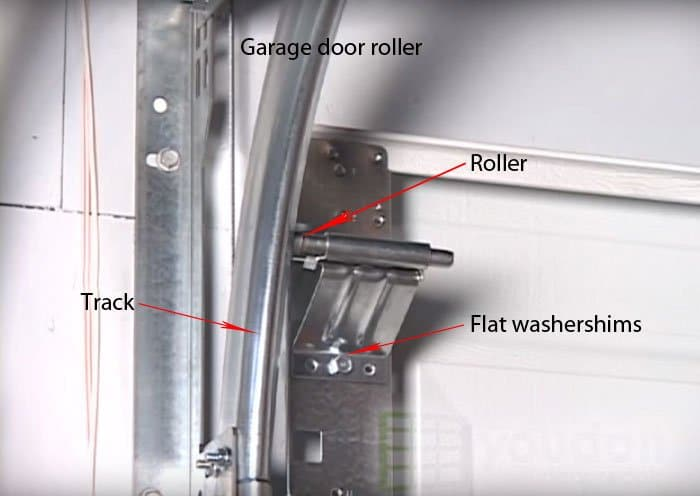
Sticking, grinding, or jerky movement usually points to rollers or misaligned tracks. Regular lubrication and occasional roller replacement are common items on a residential service checklist for garage door repair.
Opener problems
If the motor runs but the door doesn’t move, the issue may be the trolley, drive belt, or internal gears. Chain-drive and belt-drive openers have different wear patterns; a local technician can diagnose and recommend the best path forward.
Seasonal issues specific to Snoqualmie, WA
Our Pacific Northwest climate creates predictable patterns of wear. Addressing these in advance reduces emergency garage door repair visits.
- Moisture and rust: Rain and damp can accelerate corrosion on exposed hardware. Inspect hinges, nuts, and bolts and have rust-prone parts replaced before failure.
- Freezing weather: Ice can bind the bottom seal to the driveway. Use a plastic shovel to clear ice and warm the area if possible before operating the door. Running the opener against a frozen door risks damage requiring professional garage door repair.
- Debris and drainage: Fallen leaves can clog tracks and drains; keep gutters and the lower track area clear to prevent binding and sensor blockage.
When to call a pro — timelines, costs, and permits
Knowing when to call for professional garage door repair saves time and prevents injury. Here are practical guidelines that reflect local conditions and typical residential service standards.
- Immediate call: Broken spring, snapped cable, visible panel collapse, or structural damage. These require same-day attention to secure the home and prevent injury.
- Schedule within a few days: Noisy operation, misaligned sensors, or intermittent opener faults. These can escalate into higher-cost repairs if delayed.
- Seasonal maintenance: Annual tune-ups reduce emergency repairs. Ask your technician about a spring inspection and opener service during the fall to prepare for winter.
Typical local pricing in the Snoqualmie area varies by part and model: a spring replacement is commonly a mid-range repair, while full-panel replacement or advanced opener electronics are higher-cost items. Always request a written estimate and warranty details before work begins.
If you want a clear list of services we offer and typical repair scopes, see our services page for descriptions and examples.
Safety, warranties, and permits
Safety is the priority in any garage door repair. Licensed technicians follow specific procedures to relieve spring tension safely and to test photo-eyes and force limits after repairs.
- Warranties: Ask about parts and labor warranties. Many reputable local outfits provide limited warranties on new springs and replacement openers.
- Permits: Most minor repairs do not require permits in King County, but structural changes or electrical rewiring might. If a permit is needed, a professional service can advise and often handle permitting paperwork.
- Insurance considerations: If damage results from a vehicle or storm, document the scene and contact your insurer. A professional repair provider can often provide an estimate suitable for claims.
Preparing for the service visit
Make the technician’s job quicker and less expensive by preparing these items in advance.
- Clear vehicles and storage from the garage so the door can be operated fully.
- Note recent symptoms: when the problem started, noises you heard, and the frequency of issues.
- Have your opener brand and model handy if possible.
When you’re ready to schedule a repair or have questions about parts, hours, or estimates, contact our team through the contact page for a prompt response.
Small preventive steps homeowners can do
- Lubricate rollers, hinges, and springs with a recommended garage-grade lubricant once a year.
- Test auto-reverse safety monthly: place a 2×4 on the floor under the door path; if the door does not reverse on contact, schedule service immediately.
- Keep sensors clean and aligned; wipe them with a soft cloth regularly.
Following these checks helps avoid common calls for garage door repair and keeps a home safer and more secure.
For more troubleshooting tips and seasonal reminders, visit our blog and bookmark the maintenance checklist. If you need an inspection or emergency service, use the contact page to request an appointment or estimate.
Frequently Asked Questions — Snoqualmie, WA
Q: How does Snoqualmie weather affect garage door repair needs?
A: Damp, rain, and occasional freezing can accelerate rust, bind seals, and cause sensor misalignment. Schedule a fall inspection to address moisture-related wear before winter.
Q: What is a reasonable timeline for a spring replacement in Snoqualmie?
A: Most spring replacements are completed same-day or next-day depending on part availability. If a specialty spring is needed, allow 1–3 business days for parts and scheduling.
Q: Are permits required for residential garage door repair?
A: Routine repairs usually do not need permits in King County. Structural changes, new openings, or electrical panel upgrades may require permits — your technician can advise.
Q: What price range should homeowners expect for common repairs?
A: Basic repairs like sensor alignment or lubrication are low-cost. Spring replacements and cable repairs are mid-range. Full panel replacement or a new opener are higher; always get a written estimate.
Q: Do garage door repairs come with warranties?
A: Reputable local services typically offer warranties on parts and labor. Confirm warranty length and coverage before work begins and retain your invoice.
Helpful local resources in Snoqualmie, WA
- Garage Door Repair Seattle
- Garage Door Repair Bellevue
- Garage Door Repair Redmond
- Garage Door Repair Kirkland
- Garage Door Repair Mercer Island
- Garage Door Repair Edmonds
- Garage Door Repair Issaquah
- Garage Door Repair Tacoma
- Garage Door Repair Everett
- Garage Door Repair Bothell
- Garage Door Repair Sammamish
- Garage Door Repair Renton
- Garage Door Repair Lynnwood
- Garage Door Repair Woodinville
- Garage Door Repair University Place
- Garage Door Repair Gig Harbor
- Garage Door Repair Lakewood
- Garage Door Repair Puyallup
- Garage Door Repair Mukilteo
- Garage Door Repair Vancouver
- Garage Door Repair Kenmore
- Garage Door Repair Burien
- Garage Door Repair Auburn
- Garage Door Repair South Hill
- Garage Door Repair Yarrow Point
- Garage Door Repair Clyde Hill
- Garage Door Repair Port Townsend
- Garage Door Repair Duvall
- Garage Door Repair Snoqualmie