Quiet garage upgrades for Snoqualmie homeowners
Living in Snoqualmie, WA means frequent rain, temperature swings, and a desire for comfortable, quiet homes. If your garage is attached or sits under living space, smart garage door installation choices can cut noise, reduce vibration, and improve daily comfort. This guide focuses on practical, local solutions for homeowners considering garage door installation in Snoqualmie.
How noise starts and what to address
Noisy garage doors usually come from a few predictable sources: worn rollers, loose hardware, insufficient insulation, or an imbalanced opener. When planning a garage door installation, addressing these factors up front prevents repeat service calls and keeps the door operating quietly for years.
Common noise sources
- Metal rollers on metal tracks (high-pitched clangs)
- Old torsion springs that creak when under load
- Weak or misaligned door openers that hum or jerk
- Poor panel seals and gaps that let vibration travel into the house
Noise reduction strategies during installation
When you schedule a garage door installation, ask for specific noise-reduction upgrades. These are the most effective choices for attaching to living space or where neighbors sit close.
1. Choose a quiet door construction
Insulated steel or composite doors damp vibration better than single-layer metal. During garage door installation you can select a multi-layer panel with insulated cores. That reduces airborne sound and limits how much vibration transfers to framing.
2. Upgrade rollers and hardware
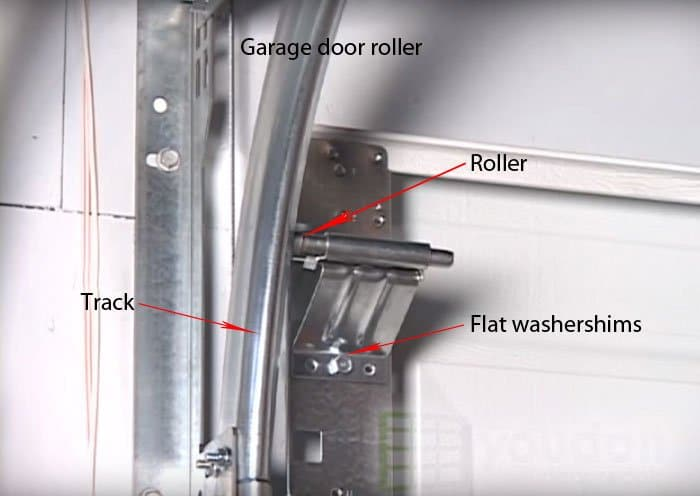
Use nylon or sealed bearings for rollers rather than standard metal rollers. Replace worn hinges and add nylon bushings at key pivot points. These small changes at the time of installation reduce scraping and vibration that cause most complaints.
3. Install a low-noise opener
Modern belt-driven or direct-drive openers are much quieter than screw-drive or older chain systems. When you plan garage door installation, factor in the opener type: a belt-drive opener paired with balanced door panels is one of the most effective noise-control upgrades.
4. Weatherseals and perimeter isolation
Proper bottom seals, jamb seals, and header seals keep drafts out and prevent rattling. Also consider isolation pads under opener mounting brackets and foam gaskets between the top panel and header to slow vibration transmission into adjacent framing.
Practical checklist for homeowners
Before a crew arrives for garage door installation, use this checklist to ensure the job focuses on noise reduction:
- Confirm door panel type (insulated recommended)
- Choose nylon rollers and upgraded hinges
- Pick a belt-drive or direct-drive opener
- Ask for perimeter weatherstripping and foam isolation where the door meets framing
- Request that technicians balance and tune springs and tracks during installation
Want more detail on opener models, insulation R-values, or hardware options? Visit our detailed resource page on services to see standard packages and upgrades: https://garagedoors-snoqualmie.com/services.
Costs, timelines, and what to expect
Typical residential garage door installation projects in Snoqualmie vary by door type and noise-control upgrades. A basic replacement with standard panels and a belt-drive opener takes a day; full insulation, upgraded rollers, and isolation work can extend the job to 1–2 days.
Pricing ranges (rough local guidance)
- Basic garage door installation (single-layer panel, basic opener): lower range
- Mid-range (insulated panels, nylon rollers, belt-drive opener): common choice for attached homes
- Premium (composite doors, top-tier opener, extensive sound isolation): higher range
Exact costs depend on door size, panel style, and whether framing or opener upgrades are required. For a site visit and tailored estimate, contact our team directly: https://garagedoors-snoqualmie.com/contact.
Maintenance that keeps noise low
Noise can reappear if maintenance is neglected. After garage door installation, schedule routine checks to preserve quiet operation:
- Lubricate rollers, hinges, and springs annually with a silicone or lithium lubricant
- Inspect weatherstripping for hardening or gaps each season
- Test balance and safety sensors every few months
- Replace worn parts promptly—rollers and springs are common culprits
Need seasonal tips or DIY checks? Read our local posts for homeowners that highlight Snoqualmie weather effects and quick fixes: https://garagedoors-snoqualmie.com/blog.
Noise solutions tailored to Snoqualmie conditions
Snoqualmie’s moist climate and tree cover mean doors can collect moisture, swell, or accumulate grit that increases friction. During garage door installation, specifying corrosion-resistant hardware and sealed insulation helps. For attached garages, pay extra attention to the top trim and header seals to prevent rain-driven rattles.
When to call a professional
If you hear grinding, sudden clunks at end-of-travel, or persistent hums after a new garage door installation, call a trained technician. These symptoms usually indicate imbalance, insufficient damping, or an opener misalignment that a residential service tech can correct quickly.
Local warranty, permits, and safety notes
Ask about warranty coverage on both the door panels and the opener. Many manufacturers offer limited warranties that cover panels and springs; workmanship warranties are provided by the installer. For Snoqualmie residents, most residential garage door replacements do not require a building permit if the footprint and header remain unchanged, but larger structural modifications may. Confirm permit needs with the city when in doubt.
Planning garage door installation with noise reduction in mind yields better long-term comfort and fewer callbacks. If you’d like a no-obligation estimate tailored to Snoqualmie’s weather and your home’s layout, reach out via our contact page or schedule a site visit.
Call to discuss quiet options and an on-site estimate: (206) 339-9044
Frequently Asked Questions
Do I need special insulation for garage door installation in Snoqualmie?
Yes. Snoqualmie’s damp climate benefits from insulated panels (polystyrene or polyurethane). Insulation reduces noise and minimizes thermal expansion and contraction that can cause rattles.
How long will a quiet garage door installation take?
Most residential jobs with noise-reduction upgrades (insulation, nylon rollers, belt-drive opener) are completed in 1 day. More extensive framing or structural changes can extend the timeline to 2 days.
What price range should I expect for noise-focused upgrades?
Expect a modest premium over a basic replacement. Upgrades like insulated panels and a belt-drive opener are mid-range options; a full noise isolation package with premium materials is higher. Get a site estimate for precise pricing.
Are warranties affected if I add noise-control features?
No—manufacturer warranties still apply to panels and openers. Ask the installer for a workmanship warranty that covers installation of insulation, rollers, and mounting of the opener.
Do I need a permit for garage door replacement in Snoqualmie?
Permits are usually unnecessary if you’re replacing like-for-like and not changing structural framing. If the header, opening size, or load-bearing components change, check with the city of Snoqualmie or your installer before work begins.
Helpful local resources in Snoqualmie, WA
- Garage Door Repair Seattle
- Garage Door Repair Bellevue
- Garage Door Repair Redmond
- Garage Door Repair Kirkland
- Garage Door Repair Mercer Island
- Garage Door Repair Edmonds
- Garage Door Repair Issaquah
- Garage Door Repair Tacoma
- Garage Door Repair Everett
- Garage Door Repair Bothell
- Garage Door Repair Sammamish
- Garage Door Repair Renton
- Garage Door Repair Lynnwood
- Garage Door Repair Woodinville
- Garage Door Repair University Place
- Garage Door Repair Gig Harbor
- Garage Door Repair Lakewood
- Garage Door Repair Puyallup
- Garage Door Repair Mukilteo
- Garage Door Repair Vancouver
- Garage Door Repair Kenmore
- Garage Door Repair Burien
- Garage Door Repair Auburn
- Garage Door Repair South Hill
- Garage Door Repair Yarrow Point
- Garage Door Repair Clyde Hill
- Garage Door Repair Port Townsend
- Garage Door Repair Duvall
- Garage Door Repair Snoqualmie