Practical weatherproofing for Snoqualmie homeowners
Snoqualmie, WA homeowners know how quickly damp, wind, and cold can affect a garage. If you’re planning a garage door replacement, weatherproofing is not an afterthought — it’s essential. A properly weatherproofed garage door protects vehicles and stored items, improves energy efficiency for attached homes, and reduces maintenance costs over time.
Why weatherproofing matters in Snoqualmie
Wet winters and brisk winds raise specific concerns for garage doors here. Moisture intrusion can cause wood rot, metal corrosion, frozen seals in winter, and higher energy bills for conditioned spaces adjacent to the garage. When you choose garage door replacement, consider materials and details that keep water out, air sealed, and thermal transfer minimized.
Key weatherproofing elements to include with a replacement
When planning a garage door replacement, specify these elements so the finished installation performs in Snoqualmie’s climate.
1. Insulated door panels
Insulated doors use polyurethane or polystyrene cores bonded between steel or composite skins. They add R-value and reduce thermal bridging. For attached garages or workshops, insulated panels reduce heat loss and limit condensation on the interior surfaces.
2. Bottom seal and threshold
A resilient bottom seal (rubber or thermoplastic) plus an aluminum or stainless threshold creates the first line of defense against wind-driven rain and debris. Look for seals rated for low-temperature flexibility to avoid cracking in cold months.
3. Perimeter weatherstripping
Compression seals around the sides and top of the door keep drafts and pests out. Properly installed weatherstripping also reduces wind noise and improves the overall thermal performance of the door system.
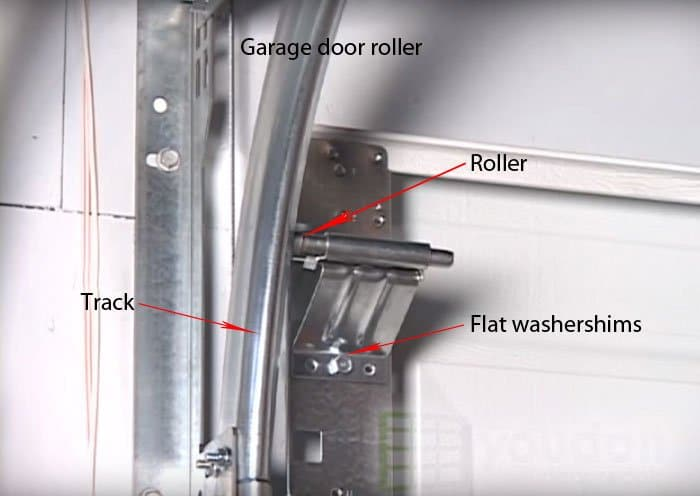
4. Track and hardware protection
High-quality galvanized or stainless tracks and rust-resistant hardware resist corrosion from persistent moisture. Ask for lubricants and finishes appropriate for coastal and wet climates.
5. Storm doors and double-door systems
For homes needing extreme protection, a secondary storm door or a flush storm panel can be added. These systems add cost but dramatically increase weather resistance and security.
Material choices and what they mean for maintenance
Materials matter for longevity in wet climates. Here’s a quick guide:
- Steel doors: Durable, often available with factory-applied rust-resistant finishes. Pair with an insulated core for best results.
- Aluminum doors: Lightweight and corrosion-resistant, but can dent more easily and may need thermal breaks to prevent heat loss.
- Composite and fiberglass: Resist rot and hold finishes well; they’re a good option if you want a wood-like appearance with less upkeep.
- Wood doors: Attractive but high maintenance in Snoqualmie’s wet climate — require regular sealing and inspection for rot.
Installation details that affect performance
Weatherproofing success depends on installation quality. During garage door replacement, insist on:
- Accurate fit to prevent gaps around the jambs.
- Proper sill preparation and threshold alignment so the bottom seal compresses evenly.
- Correct track alignment to avoid wind-driven pressure points that force water under seals.
If you’re researching improvements beyond hardware—like adding insulated liners or improving adjacent wall flashing—our services team can advise on integrated solutions. See our detailed offerings on the services page.
DIY weatherproofing vs hiring a residential service
Some homeowners can handle basic tasks like replacing worn seals or adding a threshold. But garage door replacement that includes insulation, new tracks, and precise jamb fitting is a job for experienced technicians. A licensed residential service reduces risk of improper sealing, which can void warranties or cause water damage.
When to call a pro
- If the replacement involves new opening dimensions or structural changes.
- When you want factory warranties to remain valid — many require certified installation.
- If the garage is attached to conditioned living space and you need higher R-values.
For scheduling or a professional estimate tailored to Snoqualmie homes, contact our team directly via the contact page.
Cost, timelines, and local considerations
Costs vary by door type, insulation level, hardware quality, and local labor. As a rough guide for Snoqualmie homeowners:
- Basic steel non-insulated replacement: lower cost but limited weather protection.
- Insulated steel or composite door with new hardware and seals: mid-range, best value for attached homes.
- High-end custom doors, storm systems, or structural modifications: higher cost, longer timelines.
Typical replacement projects with weatherproofing upgrades take one to three days from removal to final sealing, depending on sizing and custom work. Permitting is usually minimal for like-for-like replacements, but structural changes may trigger building permits in King County — always check with local building authorities or ask your contractor to verify permit needs.
Warranties, maintenance, and long-term care
Factory warranties commonly cover door panels and cores; hardware warranties vary. Weatherproofing elements such as seals and coatings are wear items. Regular inspection each spring and fall — plus quick replacement of cracked seals — keeps the system working. A maintenance plan from a local residential service extends life and preserves energy performance.
Further reading and neighborhood examples
To learn about common local repairs and seasonal tips, check our blog for Snoqualmie-focused posts and guides: read more.
Choosing the right combination of materials, seals, and installation approach during a garage door replacement will protect your home against Snoqualmie’s wet winters while improving comfort and reducing maintenance needs. Thoughtful weatherproofing is a smart home improvement investment.
Frequently asked questions — Snoqualmie, WA
Q: Do I need a permit in Snoqualmie for garage door replacement?
A: Most like-for-like garage door replacements do not require a permit, but changes to the opening, structural header, or adding a new electrical opener may. Verify with Snoqualmie building services or have your contractor confirm permit needs.
Q: How long does a weatherproofed garage door replacement take?
A: Typical jobs with insulation, seals, and a new threshold take one to three business days. Custom doors or structural adjustments can extend the timeline to a week or more.
Q: What price range should I expect for weatherproof upgrades?
A: Expect a range depending on materials: budget steel doors with basic seals are low cost, insulated steel/composite doors are mid-range, and high-end custom doors or storm systems are higher. Ask for itemized estimates to compare seal, insulation, and hardware costs.
Q: Will weatherproofing affect my door’s warranty?
A: Properly installed factory parts and certified installation typically preserve warranties. DIY modifications or incorrect seals can void specific warranty items — keep paperwork and insist on certified installers when warranty coverage matters.
Q: How do I prepare my garage for Snoqualmie winters after replacement?
A: Keep drainage clear, inspect and replace seals before heavy rains, lubricate hardware with a low-temperature product, and check threshold alignment annually to prevent water intrusion.
Helpful local resources in Snoqualmie, WA
- Garage Door Repair Seattle
- Garage Door Repair Bellevue
- Garage Door Repair Redmond
- Garage Door Repair Kirkland
- Garage Door Repair Mercer Island
- Garage Door Repair Edmonds
- Garage Door Repair Issaquah
- Garage Door Repair Tacoma
- Garage Door Repair Everett
- Garage Door Repair Bothell
- Garage Door Repair Sammamish
- Garage Door Repair Renton
- Garage Door Repair Lynnwood
- Garage Door Repair Woodinville
- Garage Door Repair University Place
- Garage Door Repair Gig Harbor
- Garage Door Repair Lakewood
- Garage Door Repair Puyallup
- Garage Door Repair Mukilteo
- Garage Door Repair Vancouver
- Garage Door Repair Kenmore
- Garage Door Repair Burien
- Garage Door Repair Auburn
- Garage Door Repair South Hill
- Garage Door Repair Yarrow Point
- Garage Door Repair Clyde Hill
- Garage Door Repair Port Townsend
- Garage Door Repair Duvall
- Garage Door Repair Snoqualmie